Answer: Not over the long term.
Remaining emotionally immature over time may indicate that a person is not allowing the grace and truth found in Christ (John 1:17) to permeate and transform their whole person. Spiritual maturity is not simply about knowing more theology or attending more Bible studies. It should gradually shape the way we think, respond, communicate, and love others.
For example, someone may know a great deal about Scripture yet become defensive whenever they are corrected. Another person may faithfully serve in ministry but struggle to forgive those who have hurt them. Someone else may be able to explain deep theological truths while consistently responding to conflict with anger, manipulation, or withdrawal. None of us will reach perfection this side of heaven, but over time, the grace of Christ should be transforming every part of who we are—including our emotional lives and relationships.
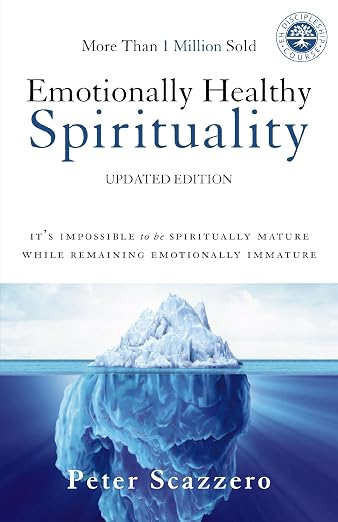
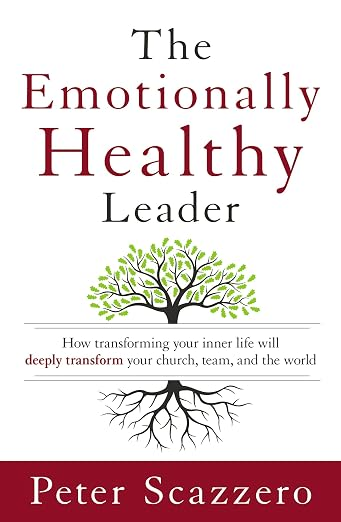
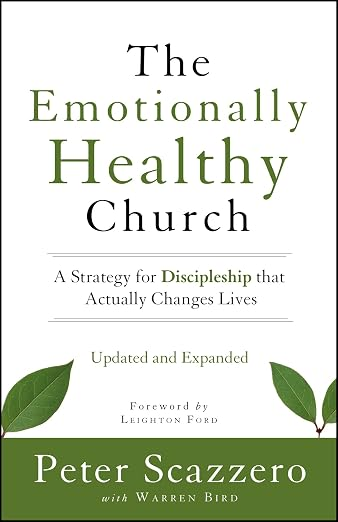
I HIGHLY recommend pastor and author Peter Scazzero. He has written several books, including Emotionally Healthy Spirituality, The Emotionally Healthy Leader, and many others. His work has helped me and has inspired countless Christians to recognize that genuine spiritual maturity and emotional maturity are meant to grow together.
 Dr. BJ Condrey
Leave a comment